FlavorCompass
Discover regional cooking traditions worldwide
Articles
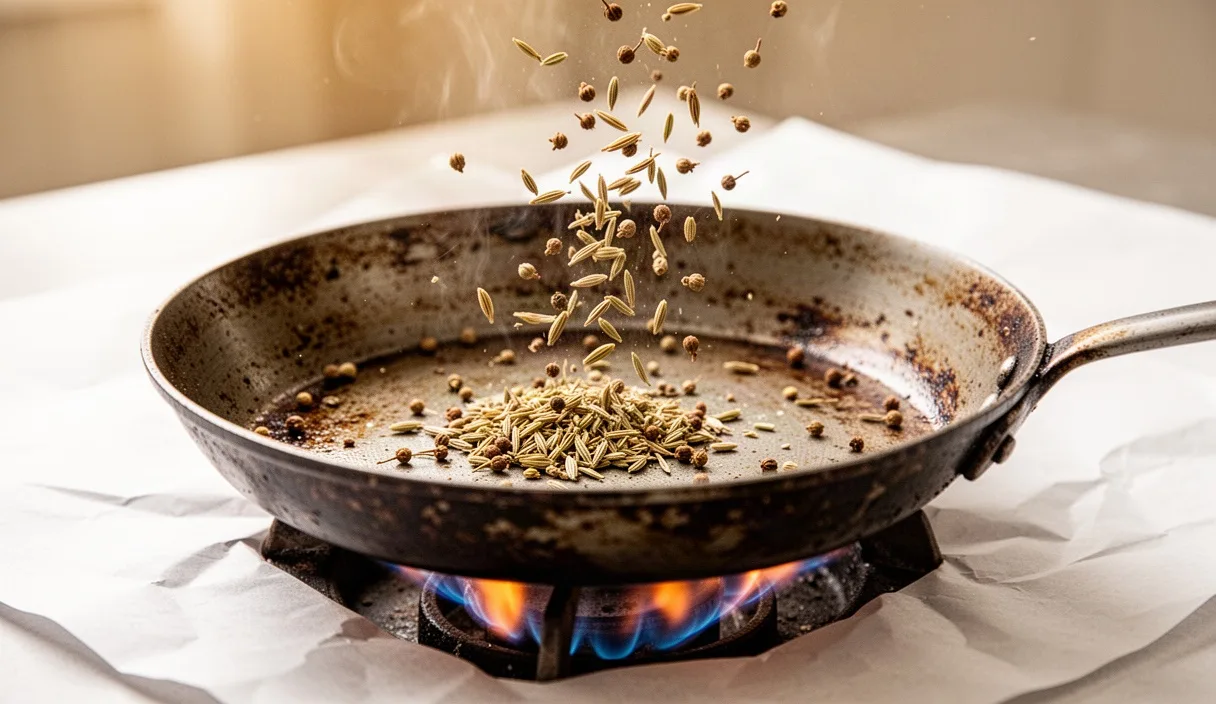
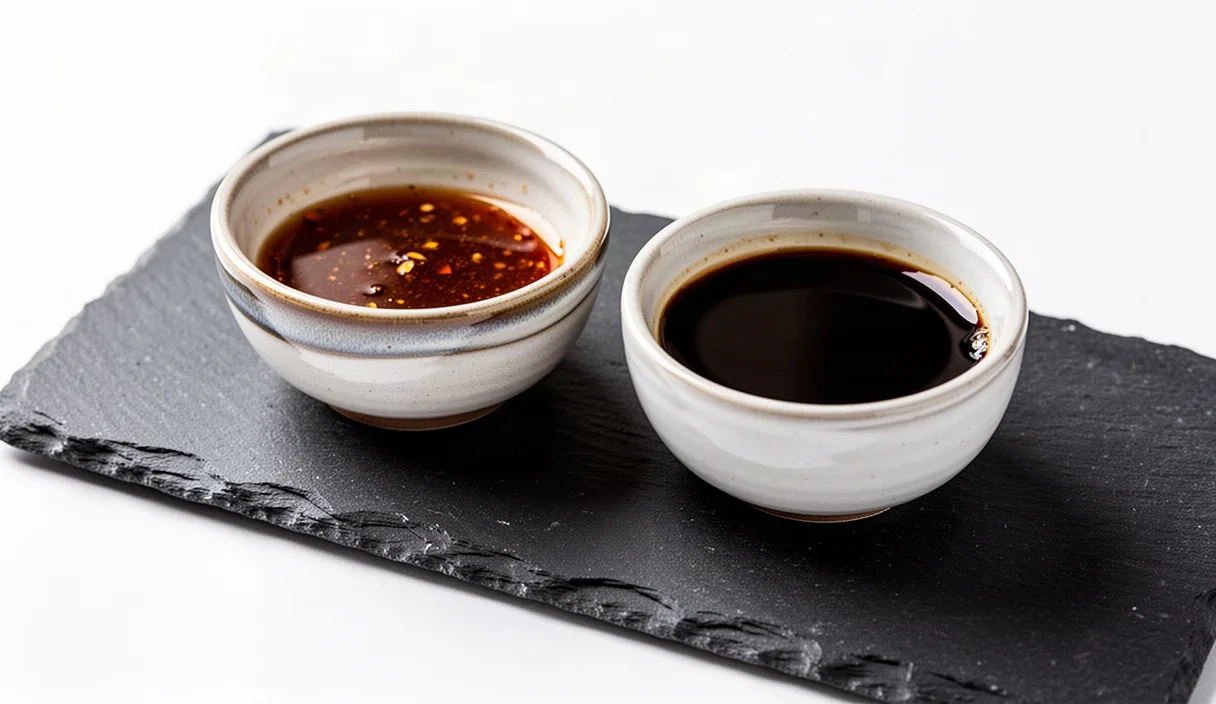
Why Whole Spices Taste Different Than Pre-Ground Jars
Spice Cabinet Geography10 min read

Why Whole Spices Taste Different Than Pre-Ground Jars

You will understand how volatile spice oils escape into the air and why cracking seeds makes a meal brighter. You can adjust your preparation timing so every seed yields its full aroma in the pan.

Editors' picks

Latest Field Notes and Guides

All articles
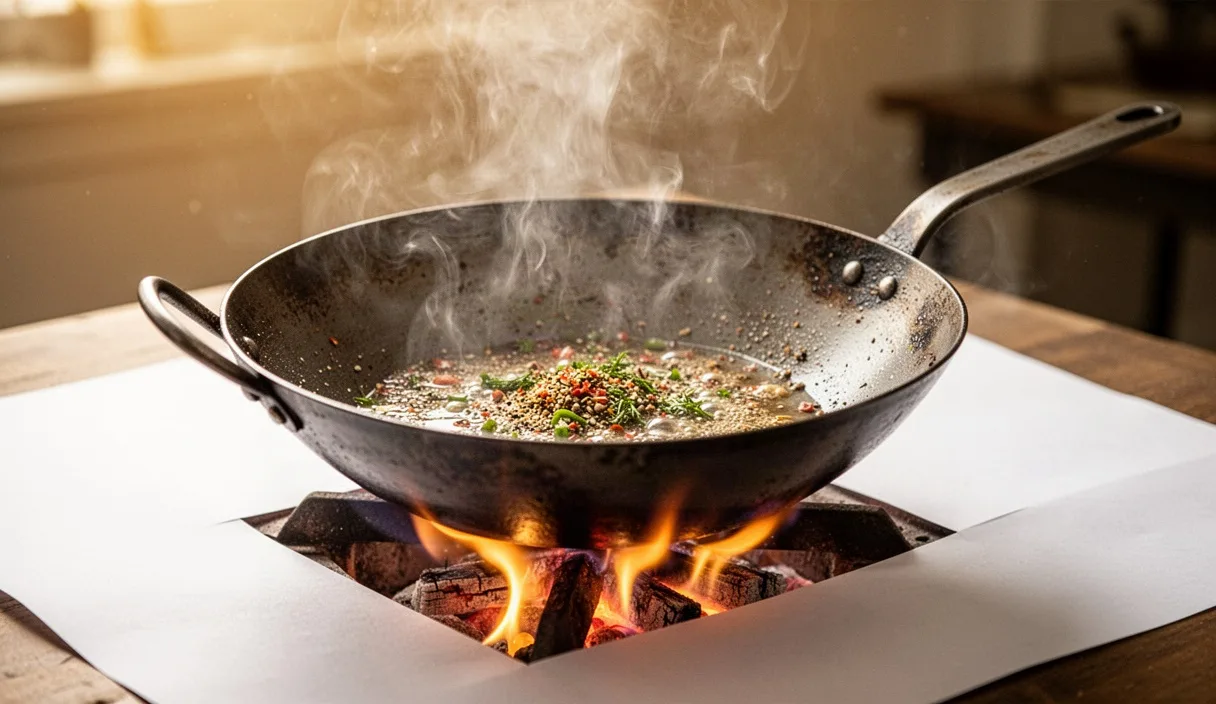
Why Wok Hei Happens: High Heat and Vapor Explained
Street Food Techniques9 min read

Why Wok Hei Happens: High Heat and Vapor Explained

You will understand the chemical mechanics behind that distinct smoky flavor from street food woks. You can mimic these conditions on a home burner using small batches and dry surfaces.
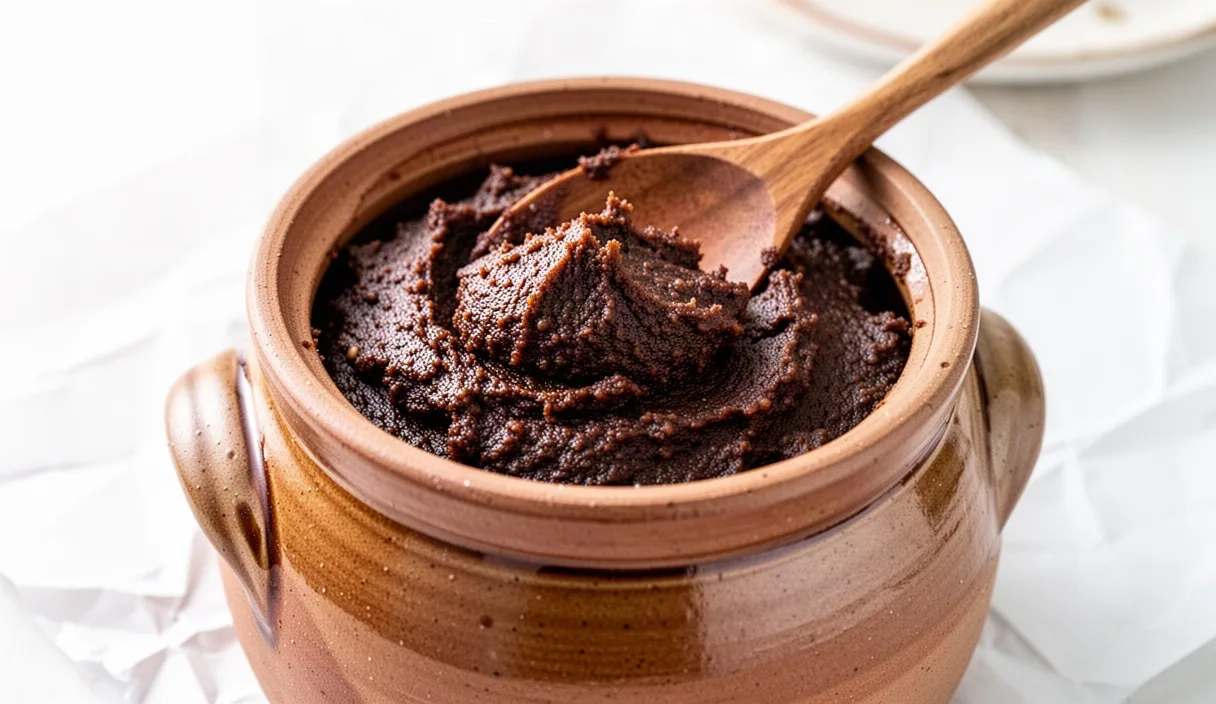
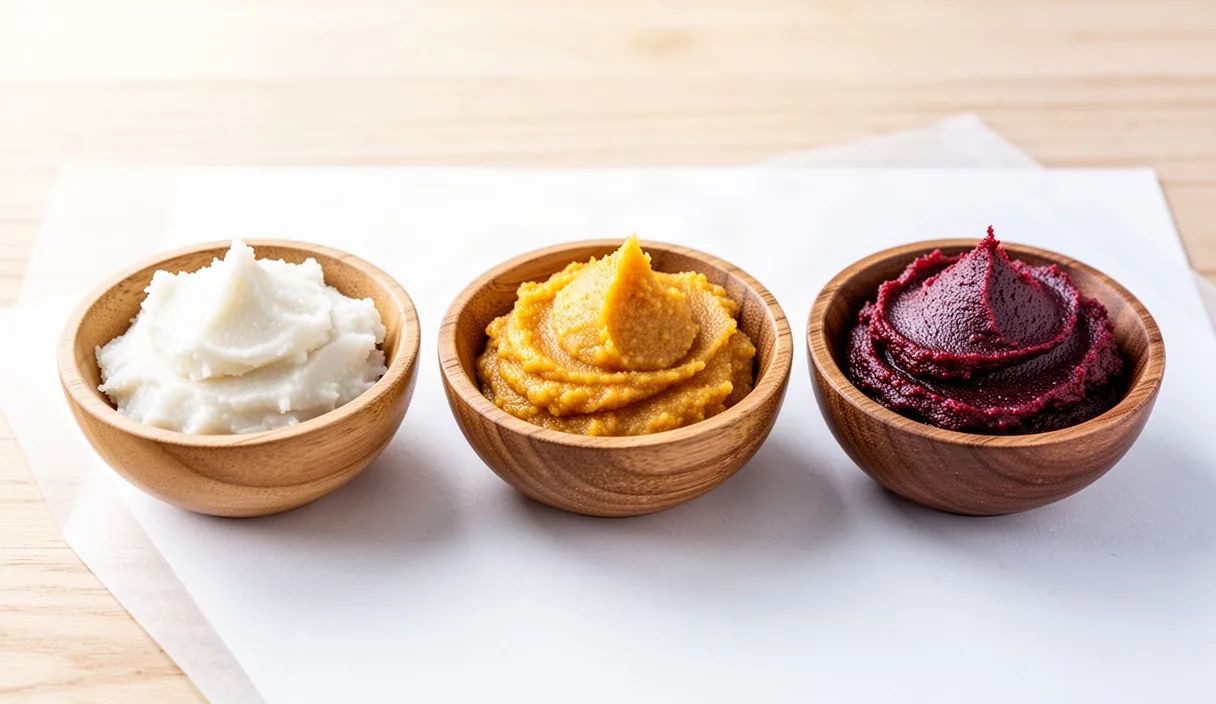
How Fermented Bean Paste Changes Stews and Braises
Pantry Fermentation and Staples10 min read

How Fermented Bean Paste Changes Stews and Braises

You will discover how aged bean pastes dissolve into broth to create body and deep savory richness. You can build complex braising liquids without needing hours of simmering bone stock.

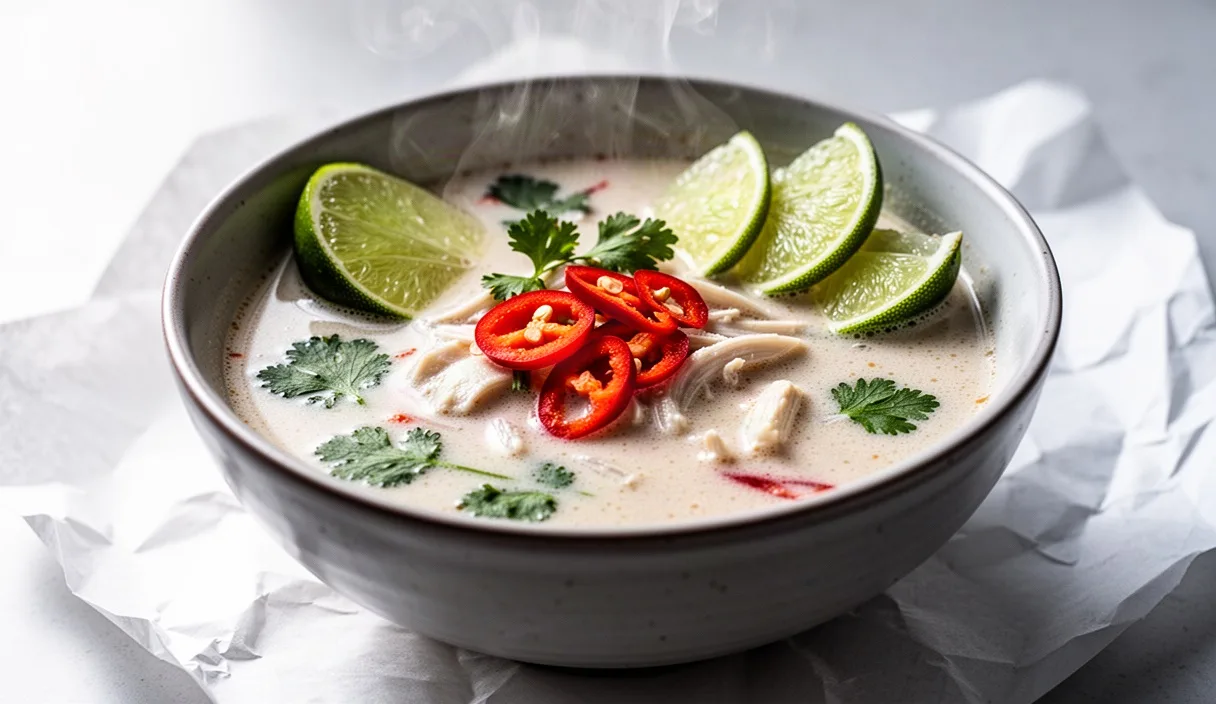
Why Acid Balances Fat: Lessons from Thai Street Soups
Flavor Mapping and Pairings9 min read

Why Acid Balances Fat: Lessons from Thai Street Soups

You will learn how sour ingredients cut through greasy coatings on your tongue to keep food refreshing. You can adjust the balance of lime juice, tamarind, and rich broths with confidence.

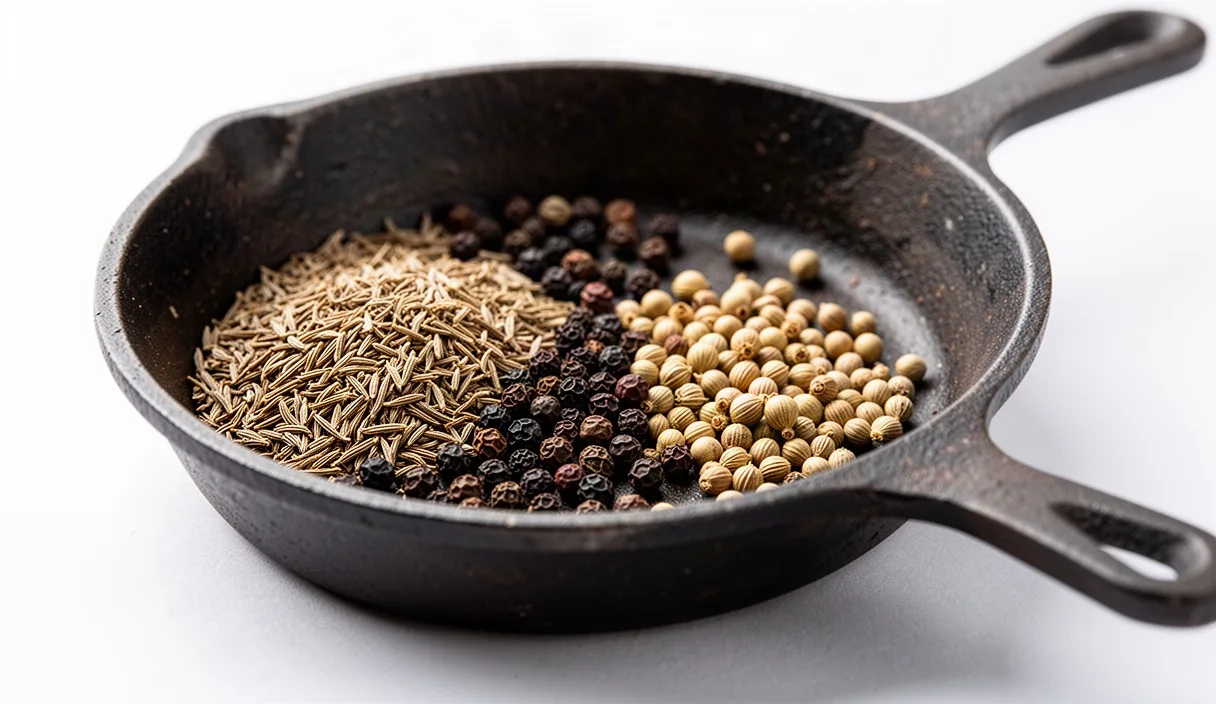
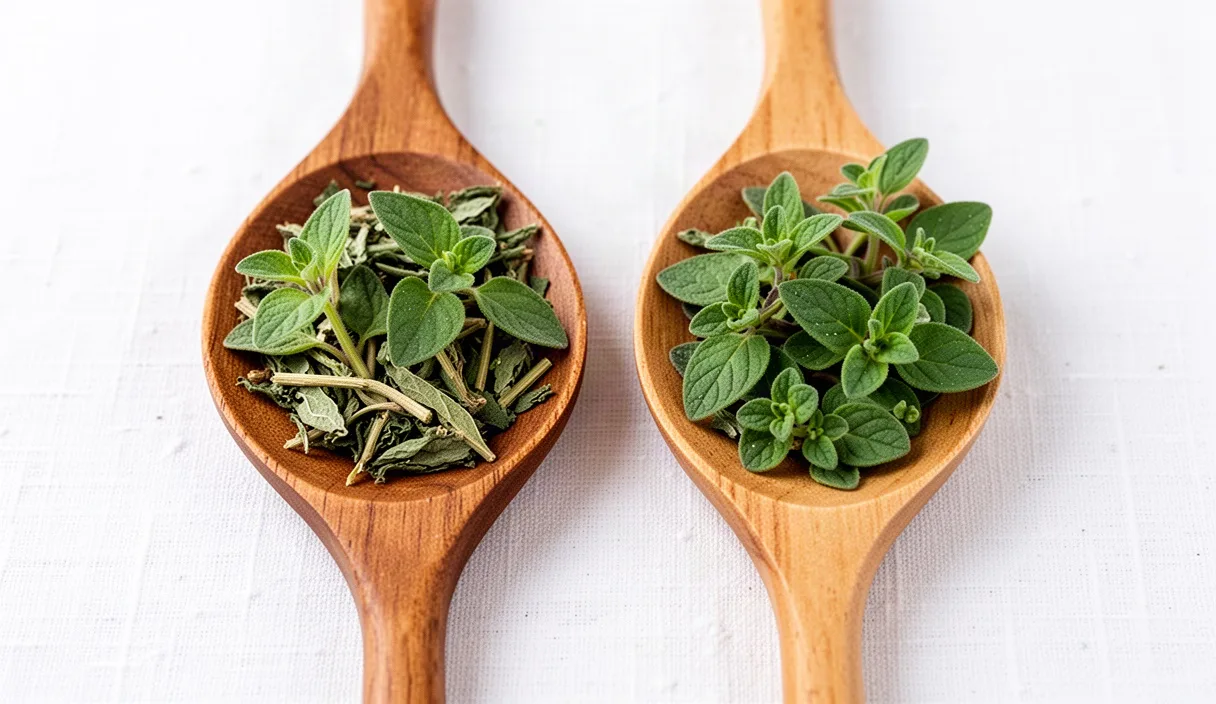
How to Toast Spices Without Burning Delicate Oils
Spice Cabinet Geography9 min read

How to Toast Spices Without Burning Delicate Oils

You will learn to manage pan heat and movement so your spices brown evenly from shell to core. You can smell the exact moment when spices reach peak toastiness before bitterness sets in.

More on Street Food Techniques

Understand the simple physical habits market cooks use to build deep flavor quickly.

Explore every story in this regional food series

More on Pantry Fermentation and Staples

Examine the preserved foundations that define everyday cooking across distinct borders.

Explore every story in this regional food series

More on Spice Cabinet Geography

Learn how regional spices develop their aroma and how to blend them accurately at home.

Explore every story in this regional food series

How we write

Editorial policy
1

Historical Context

We explain why regional techniques developed instead of simply listing raw step instructions.

2

Accessible Ingredients

Our team outlines everyday UK grocery equivalents for rare international pantry staples.

3

Domestic Kitchen Testing

Each formula runs through standard electric and gas cookers to verify heat control.

4

Zero Ad Interference

Articles remain clean and distraction-free without intrusive third-party pop-up banners.

Browse by topic

About FlavorCompass

Our team of curious home cooks and culinary researchers writes for anyone who views the dinner table as a ticket to foreign lands. We document regional techniques with clear explanations so you can reproduce unfamiliar dishes without guesswork. Every method goes through multiple kitchen trials to verify temperature, timing, and pantry substitutions before publication.

About us

Questions readers ask

how to choose whole spices for regional cooking

Look for whole seeds rather than pre-ground powders, as whole skins protect aromatic volatile oils from oxidation. Check for vibrant color and strong fragrance upon crushing. Grind small portions in a stone mortar right before cooking.

what is sourdough starter made of

A traditional starter consists exclusively of stone-ground cereal flour and non-chlorinated tap water. Ambient wild yeasts and friendly lactic cultures populate the paste naturally over several days of measured feeding. It requires steady room temperature and regular hydration.

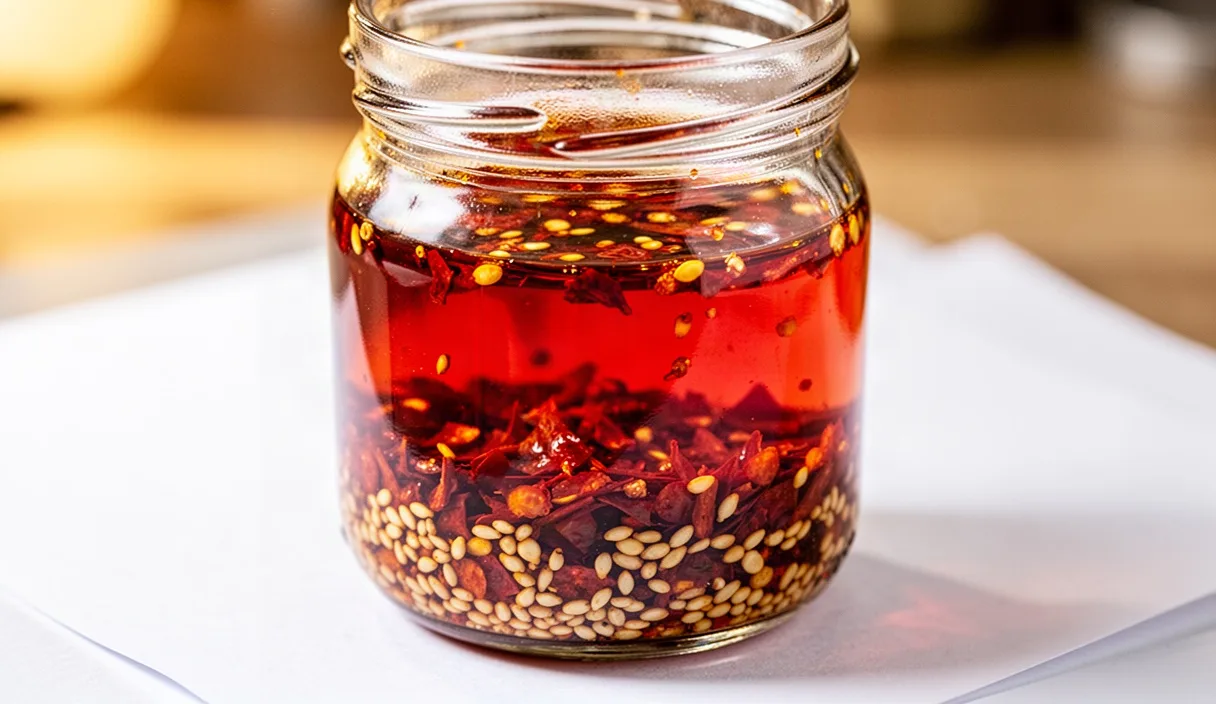
how long does toasted spice oil last

Warm spice oil infused with dried chili and cumin maintains fresh aroma for two to three weeks when stored in an airtight glass container. Keep the jar in a cool pantry away from direct morning sunlight. Always use a clean dry spoon to prevent moisture spoilage.

how do writers fund this publication

Our journal operates entirely as an independent editorial platform funded by reader memberships and voluntary reader support. We do not accept sponsored product placements or paid ingredient endorsements. All recipe research is handled directly by our Nottingham editorial staff.

Write to the Editors

Send us your questions about technique or suggest a regional dish you want us to deconstruct. We appreciate thoughtful feedback and detailed field tips.

Send us a message

Working hours: Mon-Thu 08:15-15:45, Fri 08:15-14:30, Sat 10:00-14:45, break 12:30-13:30
Expected response time: We answer within one business day