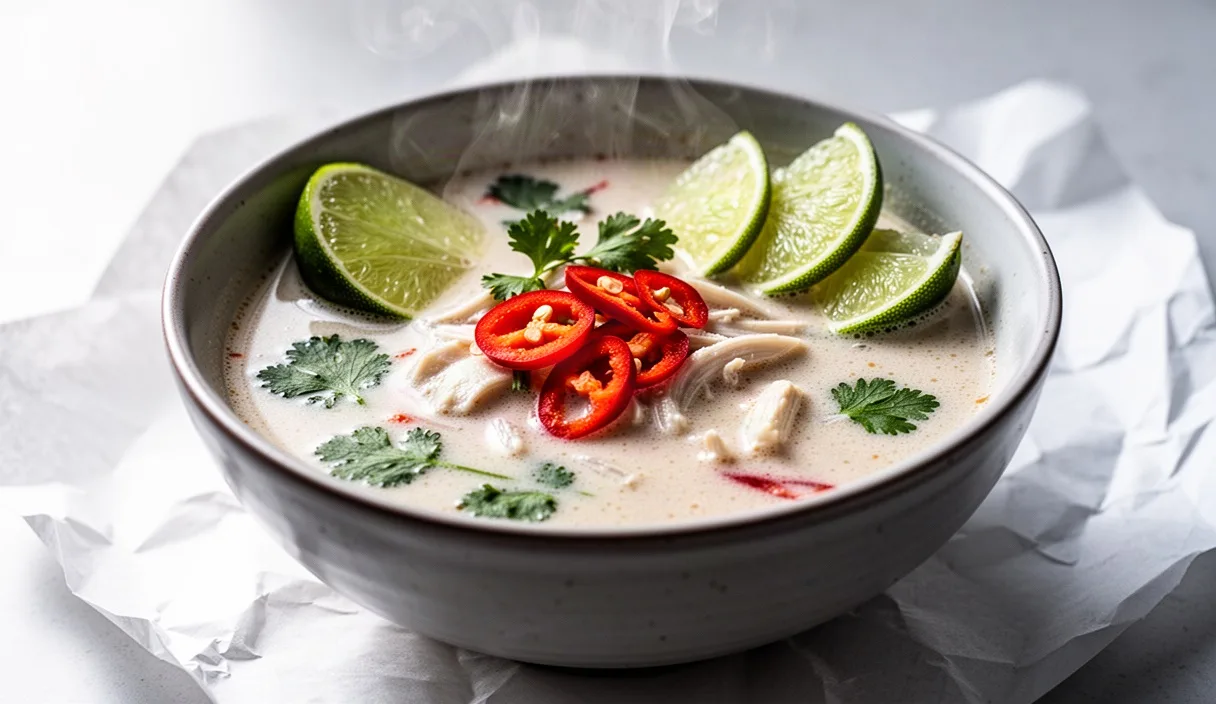
A heavy winter stew, a plate of crispy pork belly, or a rich bowl of cheesy polenta can feel deeply satisfying for the first three bites. By the eighth bite, however, the tongue feels weighed down. The butter, lard, and melted cheese coat the interior of the mouth with a film of oil. This phenomenon is known as sensory fatigue, which happens when the tongue and brain grow tired of tasting the exact same rich note over and over again. Without contrast, a luxurious dish turns dull before the plate is cleared.
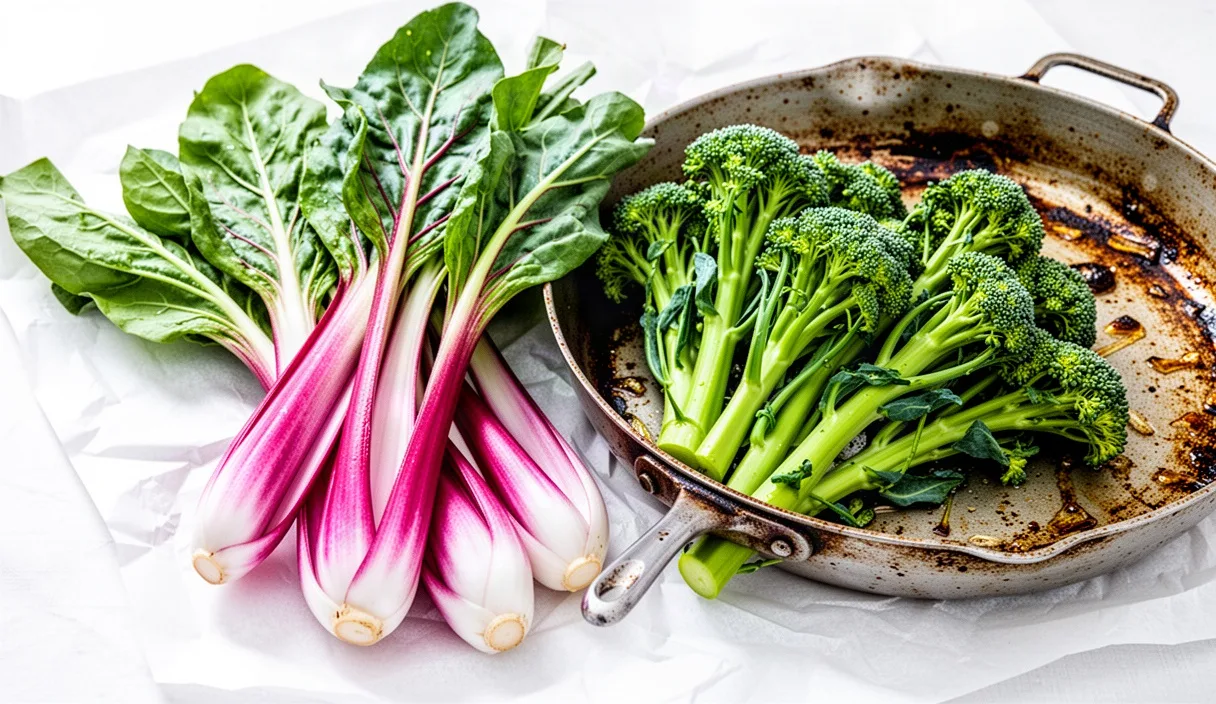
This is where bitter greens enter the picture. Leaves like broccoli rabe, dandelion greens, escarole, and mustard greens offer a sharp, astringent punch that many people shy away from when cooking vegetables on their own. Yet, when tucked beside or tossed directly into rich meats and melted cheeses, those sharp greens suddenly make sense. Why do two opposing culinary forces work so well together? The answer lies in the physiology of human taste buds, the chemistry of leaf cells, and the physical way liquids wash across our palates.
The Biology of the Bitter Taste Receptor
How does the human tongue detect bitterness, and why are we built to react so strongly to it? The tongue surface contains thousands of tiny structures called papillae, which house our taste buds. Within those buds sit specialized proteins called TAS2R receptors. Humans have roughly 25 different types of TAS2R receptors. In contrast, we have only a small handful of receptors dedicated to identifying sweet or savory tastes. Nature gave us this large battery of bitter detectors as an evolutionary warning system. In the wild, toxic plants, rotting matter, and alkaloid poisons almost always register as bitter, so our brains evolved to shout an alert whenever TAS2Rs fire.
When you eat a raw radicchio leaf, compounds called lactucopicrin and sesquiterpene lactones bind to these receptors. The cell fires an electrical pulse to the brain that says: pay attention, this is strong. But something else happens simultaneously inside the mouth. Bitterness triggers a reflex in the nervous system that increases saliva flow. Saliva contains water, enzymes, and bicarbonate ions that dilute food and wash the tongue clean.
At the same time, bitter compounds stimulate the production of gastrin, a hormone that tells your stomach lining to release hydrochloric acid and digestive enzymes. In everyday terms, bitterness acts like an alarm clock for the entire digestive tract. It prompts the mouth to rinse itself out and prompts the stomach to get ready for heavy work, which is why bitter aperitifs have been consumed before meals across Europe for centuries.
Why Fatty Pork Needs Sharp Green Greens
Think about what happens when you spread cold butter across a warm glass plate. It creates an opaque, slippery layer that sticks firmly to the surface. Fat acts the exact same way inside your mouth. Animal fats like lard, tallow, and bacon grease have melting points close to human body temperature, roughly 35 to 40 degrees Celsius. As pork belly or sausage cools slightly in your mouth, its lipids coat the tongue, physically blocking your taste buds from sensing subtle flavors.
Why does a bitter green cut through this film better than a sweet vegetable like a carrot? Bitter greens contain polyphenols and astringent tannins. These molecules bind to the proteins in your saliva, causing them to aggregate and precipitate out of solution. This creates a mild drying sensation on the cheeks and gums, often described as puckering. When paired with fat, this drying action directly counters the slick, oily film of the pork. The greens scrape the palate clear, allowing you to taste the next bite of meat as cleanly as the first.
Consider the structural pairing between fatty pork belly and rapini (also known as broccoli rabe). A standard 200-gram serving of braised pork belly can contain more than 40 grams of rendered fat. If paired with sweet mashed potatoes, the overall sensation is soft, sweet, and overwhelmingly rich. When paired with rapini, the sulfur compounds known as glucosinolates provide an assertive counter-punch. The bitter edge slices through the richness, while the tender yet fibrous stems provide mechanical resistance that breaks up the soft texture of the rendered meat.
Blanching Leaves to Control Bitterness Levels
Can you control how bitter a leaf tastes before it hits the pan? Yes, and the primary tool for this is blanching. Bitter compounds like glucosinolates in mustard family plants and lactucin in chicories are water-soluble. When plant cells are heated in water, their cell walls soften and become porous, allowing those harsh bitter molecules to leach out into the cooking liquid.
To blanch effectively without turning the greens into an unappealing, brownish mush, the water temperature and timing must be precise. Follow this sequence to reduce bitterness while keeping the vibrant green color and crisp texture:
- Boil generous water: Use at least 4 liters of water for every 450 grams of greens. A small pot will drop below boiling temperature as soon as the cold leaves enter, which leads to soggy, gray greens.
- Add salt: Add 30 grams of coarse salt to the water. Salt reduces the loss of plant nutrients and preserves the green chlorophyll pigment.
- Submerge rapidly: Push the greens under the water using tongs. Cook thin leaves like baby mustard or spinach for 45 to 60 seconds. Cook sturdy greens like collards, rapini, or kale for 120 to 180 seconds.
- Ice bath transfer: Lift the greens from the pot and plunge them immediately into a bowl filled with cold water and ice cubes for 60 seconds. This halts enzyme activity and locks in the chlorophyll.
- Squeeze out excess liquid: Bitter water retained in the leaf folds will ruin the texture of a sauce. Wrap the cooled leaves in a clean kitchen towel and squeeze firmly until no liquid drips out.
The table below outlines common greens, their primary bitter compounds, and the recommended blanching duration before combining them with rich meats or cheeses.
| Green Variety | Primary Bitter Compound | Recommended Blanch Time | Best Comfort Food Partner |
|---|---|---|---|
| Broccoli Rabe (Rapini) | Glucosinolates | 90 to 120 seconds | Italian sausage, orecchiette, garlic oil |
| Curly Mustard Greens | Sinigrin | 60 to 90 seconds | Smoked pork shoulder, pot likker, cornbread |
| Escarole | Lactucin | 45 to 60 seconds | White bean stew, pancetta, Parmesan rind |
| Dandelion Greens | Taraxacin | 120 to 150 seconds | Fried bacon lardons, warm potato salad |
| Lacinato Kale | Progoitrin | 120 to 180 seconds | Creamy polenta, braised short ribs |
The Role of Salt in Masking Unwanted Sharpness
Have you ever noticed that a piece of raw chicory tastes intensely bitter, but the moment you sprinkle sea salt on it, the bitterness seems to drop by half? Many home cooks assume that the salty flavor simply overpowers the bitter flavor in the brain, much like loud music drowns out a quiet conversation. The real biochemical mechanism is far more interesting.
Sodium ions directly interfere with the bitter taste mechanism on your tongue before the signal ever travels up the cranial nerve. When sodium ions enter the taste pore, they physically block the transduction pathways of certain TAS2R receptors. In effect, salt acts like an earplug placed inside the receptor, preventing the bitter compound from fully docking and sending its electrical signal. Because of this, salt is not merely an additive that makes food taste salty; it is a chemical suppressor of bitterness.
This suppression changes the balance of a rich dish. When you cook bitter greens in salted bacon grease or simmer them in a broth enriched with salty cured ham, the high sodium content mutes the harshest peaks of the bitterness. What remains is a soft, rounded green note that tastes fresh rather than medicinal. If a stew with greens tastes unpleasantly medicinal, do not reach for sugar first. Reach for a pinch of salt. Salt diminishes the bitter edge while leaving the brightening effect intact.
Classic Regional Combinations Across the World
Cultures across the globe discovered this culinary equilibrium centuries before scientists mapped taste receptors. Wherever a regional diet relies heavily on calorie-dense animals, dairy, or starches, bitter leaves appear right alongside them.
Southern United States: Collards and Ham Hocks
In the American South, tough collard leaves simmer for two to three hours with smoked ham hocks or smoked turkey necks. The collagen from the hocks breaks down into rich, unctuous gelatin that coats the greens. The greens, in turn, provide an earthy sharpness that makes the gelatinous broth, known as pot likker, light enough to drink with a cornbread wedge.
Southern Italy: Orecchiette con Cime di Rapa
In Puglia, cooks combine bitter cime di rapa (turnip tops or rapini) with coarse pork sausage, olive oil, and anchovies. The anchovies dissolve into the warm oil to supply savory glutamates, the pork contributes heavy fat, and the greens pierce straight through the mixture. The ear-shaped orecchiette pasta catches both the bits of meat and the chopped leaves in every spoonful.
The Netherlands: Boerenkool Stamppot
During cold Dutch winters, traditional home cooking relies on stamppot, a dish of potatoes mashed together with finely chopped curly kale. On top of this dense mountain of potato sits a large rookworst, a smoked, fatty pork sausage. The kale cuts through the starchy density of the potatoes and the dense fat of the smoked sausage, providing vitamin C and a crisp, grassy bite.
Sichuan, China: Twice-Cooked Pork with Bitter Greens
In Sichuan cuisine, pork belly is first boiled with ginger and scallions, sliced thin, and then fried in a wok until the fat renders out and the edges curl. While leeks are common, cooks frequently introduce bitter mustard greens (gai choy) or preserved mustard stem. The slight pungency and bitterness of the mustard brassica balances the sweet bean paste and rendered lard, preventing the plate from becoming heavy.
Common Mistakes to Avoid
Working with assertive greens requires care, as simple missteps can either destroy their character or leave them unpleasantly harsh:
- Skipping the fat entirely: Cooking bitter greens in plain water with no cooking oil or animal fat leaves the bitter compounds completely unmasked. Greens need fat molecules to coat the tongue and soften their impact.
- Dumping sugar into the pan: When a dish tastes too bitter, many cooks add brown sugar, honey, or maple syrup. Sugar does not suppress bitterness at the receptor level the way salt does; it simply creates an awkward sweet-and-sour medicinal clash. Use salt and acid first.
- Cooking stems and leaves together from the start: Stems from greens like chard and broccoli rabe are dense and take three to four times longer to soften than the delicate leaf blades. If tossed in together, the leaves turn into gray mush before the stems become tender. Always separate stems, slice them thin, start them in the pan first, and add the leafy greens during the final few minutes of cooking.
- Under-salting the blanching liquid: Adding a timid pinch of salt to a large pot of water does nothing. The water should taste noticeably salty, similar to mild sea water, so that sodium can actively bind to the plant tissue and retain cellular structure.
Practical Steps for Your Next Heavy Meal
You do not need an elaborate recipe to put this balance to work tonight. If you are roasting sausages, braising short ribs, or baking a heavy pan of macaroni and cheese, use this straightforward method to prepare an accompanying skillet of greens.
Prep the greens: Take 350 grams of hearty greens like escarole or rapini. Wash them thoroughly in cold water to remove any embedded grit. Strip the leaves from the thick bottom stems. Chop the stems into half-centimeter coins and roughly slice the leaves into broad ribbons.
Render the base fat: Place a wide skillet over medium heat. Add 60 grams of diced pancetta, bacon, or bulk pork sausage. Cook slowly for 6 to 8 minutes until the fat renders completely and the meat turns crisp. Remove the crisped meat with a slotted spoon, leaving the hot fat behind in the pan.
Sauté the stems: Drop the sliced stems into the hot pork fat along with two thinly sliced garlic cloves and a generous pinch of red pepper flakes. Cook over medium-low heat for roughly 3 minutes until the stems turn translucent and yield slightly when pressed with a wooden spoon.
Wilt the leaves: Turn the heat up to medium-high. Add the damp chopped leaves to the pan in two batches, tossing them constantly with tongs. As the water from the rinsed leaves meets the hot fat, it will steam, wilting the greens in roughly 2 minutes while emulsion coats every leaf surface.
Finish with salt and acid: Turn off the heat. Return the crisp meat to the skillet. Taste a leaf. Add fine sea salt until the harsh bitter edge recedes into a pleasant savoriness, then squeeze 10 to 15 milliliters of fresh lemon juice over the top. Serve immediately alongside your richest comfort foods, and notice how clean every bite remains from the start of the meal to the finish.